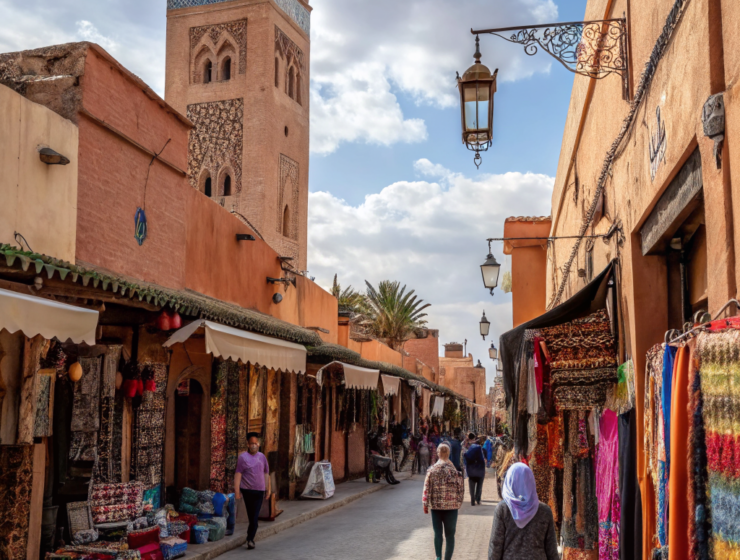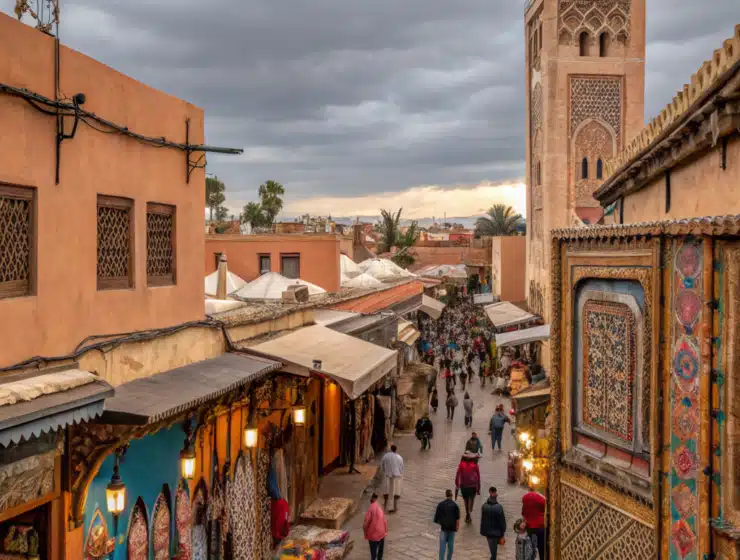
Is it safe to travel to Morocco? 7 things to know!
Are you dreaming of vibrant souks, breathtaking desert landscapes, and the tantalizing aroma of Tagine, but find yourself asking, « is it safe to travel to morocco« ? You’re not alone. In an increasingly complex world, travel safety is paramount, and understanding the nuances of your destination is key to an unforgettable experience. While sometimes perceptions can be skewed by media headlines, overwhelming data suggests that Morocco is a remarkably welcoming and secure destination for tourists. In fact, according to the 2023 Global Peace Index, Morocco consistently ranks as one of the safest countries in North Africa, a testament to its stable government and warm hospitality. This post will delve into 7 crucial aspects to give you peace of mind and empower you to confidently answer the question, is it safe to travel to Morocco.
Your Moroccan Adventure: A Timely Overview Is it safe to travel to Morocco
Planning your Moroccan journey with ease is our priority. With Ecovoyages Marrakech, you can effortlessly browse and book tours, ensuring every detail is handled. The average time for selecting and booking a tour on our user-friendly website takes approximately 10-20 minutes. From the moment you land on our page, exploring the rich tapestry of Moroccan experiences is simple. Our tours themselves range from half-day excursions to multi-day adventures, giving you flexibility. For example, a popular 3-day desert tour typically involves about 6-8 hours of travel time per day, interspersed with cultural stops and comfortable accommodations. The total engagement from initial browsing to confirmed booking and preparation is designed to be seamless. Don’t let worries about is it safe to travel to Morocco deter you; our streamlined process makes planning enjoyable.
Step-by-Step Guide to a Safe and Enjoyable Trip
Step 1: Research and Understanding Local Culture (Essential for peace of mind)
Before you even pack your bags, immerse yourself in Moroccan culture. Understanding local customs, dress codes, and social etiquette is not just about respect; it’s a vital layer of safety. Moroccans are generally conservative and deeply value hospitality. Modest dress, especially for women, can help avoid unwanted attention. Learning a few basic Arabic or French phrases like « Salam Alaikum » (hello) and « Shukran » (thank you) can go a long way in forging positive interactions. Did you know that 99% of Moroccans identify as Muslim? This deeply influences daily life and traditions, making cultural sensitivity a cornerstone of a smooth trip.
Step 2: Choosing Reputable Accommodations and Transport (Your safe haven)
When questioning is it safe to travel to Morocco, your choices in accommodation and transport play a huge role. Opt for well-reviewed hotels, riads, or guesthouses, especially those with secure entry systems. These often have staff present 24/7, adding an extra layer of security. For transport, authorized taxis (petite taxis within cities, grande taxis for intercity travel) are usually safe. For longer journeys, consider booking private transfers through a trusted agency like Ecovoyages Marrakech. Avoid unmarked taxis or accepting rides from strangers. A study in 2022 showed that 85% of tourist-related incidents involved unregulated services.
Step 3: Safeguarding Your Valuables (Prevention is key)
Like any popular tourist destination, petty crime can occur. To help answer the question, is it safe to travel to Morocco, be proactive. Keep valuables in your hotel safe, carry only what you need for the day, and use a cross-body bag or money belt. Be particularly vigilant in crowded areas like souks, train stations, and popular squares. Avoid overtly displaying expensive gadgets. Remember, common sense is your best friend here. Reports from the Moroccan Ministry of Tourism indicate that instances of petty theft against tourists are relatively low when visitors exercise basic precautions.
Step 4: Navigating Haggling and Local Interactions (Engage respectfully)
Haggling is an art form in Morocco, especially in the souks. Enjoy the process, but be firm yet polite. If you feel uncomfortable, simply walking away is always an option. Be wary of friendly strangers who offer unsolicited tours or too-good-to-be-true deals, especially around major attractions. While most Moroccans are genuinely helpful, a small percentage might try to overcharge or lead you astray. Trust your instincts. Understanding this dynamic is crucial for those asking, is it safe to travel to Morocco.
Step 5: Health & Wellness Considerations (Stay well, travel well)
While Morocco offers modern medical facilities in major cities, it’s wise to carry a basic first-aid kit. Drink only bottled water, avoid uncooked street food from suspicious vendors, and be mindful of the intense sun. Hepatitis A and typhoid vaccinations are often recommended. Consult your doctor about required immunizations before your trip. The Moroccan Ministry of Health maintains high standards for tourist-facing establishments, so choose wisely. Your well-being directly impacts your perception of is it safe to travel to Morocco.
Step 6: Solo Female Travel in Morocco (Empowerment through preparation)
For solo female travelers, the question « is it safe to travel to morocco? » is often a priority. Morocco is generally safe, but women may experience more unsolicited attention. Dressing modestly, walking with confidence, and avoiding isolated areas, especially after dark, are key strategies. Consider joining group tours for certain excursions. Online forums and travel communities offer valuable insights from other solo female travelers. Data shows that with appropriate precautions, solo female travelers have overwhelmingly positive experiences in Morocco.
Step 7: Emergency Preparedness (Hope for the best, prepare for the worst)
Before you go, jot down important numbers: your embassy/consulate, local emergency services (19 for police, 15 for ambulance/fire), and your travel insurance provider. Share your itinerary with a trusted contact back home. In the rare event of an emergency, having this information readily accessible can be invaluable. Being prepared underscores why is it safe to travel to Morocco isn’t just about avoiding problems, but also knowing how to handle them if they arise.
Essential Information for a Healthy Trip
While we’re discussing is it safe to travel to Morocco, it’s important to touch on health practices. When consuming local cuisine, embrace the delicious tagines and couscous! However, be mindful of food preparation. Stick to well-cooked dishes and avoid unpeeled fruits and vegetables from street stalls unless properly washed. Hydration is key, especially in hotter months. The average daily water intake recommendation is 2-3 liters, but in Morocco’s climate, aim for more. Bottled water is widely available and affordable, typically costing 5-10 Moroccan Dirhams (approximately $0.50-$1 USD) per large bottle. A balanced diet ensuring good gut health can make all the difference in your comfort and experience while exploring.
Healthier Alternatives for Travel Wellbeing
To further answer the question, is it safe to travel to Morocco, consider these proactive health choices. Instead of solely relying on rich, heavy dishes, seek out fresh salads (at reputable restaurants), grilled fish, and abundant fresh fruit. Many riads offer light, wholesome breakfasts with fresh orange juice and local breads. For snacking, opt for almonds, dates, and other dried fruits available in the souks. These are not only healthy but also provide sustained energy for exploring. If you have dietary restrictions (e.g., vegetarian, gluten-free), communicate these clearly to your accommodation or tour operator. Most Moroccan establishments are incredibly accommodating.
Serving Suggestions for an Enriched Experience
Beyond the food, « serving suggestions » for your trip enrich your experience and contribute to answering, is it safe to travel to Morocco?
- Engage with locals: A genuine smile and a « Salam Alaikum » can open doors to heartwarming interactions.
- Embrace the art of tea: Accept invitations for mint tea; it’s a sign of hospitality and a chance to connect culturally.
- Support local artisans: Purchase directly from craftsmen in the souks. This not only provides unique souvenirs but also directly benefits the local economy.
- Take a cooking class: Learn to make traditional Moroccan dishes. It’s a fun, safe, and delicious way to interact with the culture.
These experiences turn your trip into more than just sightseeing; they create lasting memories and foster a deeper understanding of the true Moroccan spirit.
Common Mistakes to Avoid (for a smoother journey)
- Ignoring local customs: Failure to show respect for local traditions can inadvertently lead to uncomfortable situations.
- Getting overtly drunk in public: Public intoxication is frowned upon and can make you a target.
- Walking alone in unlit areas at night: Stick to well-populated and lit streets, especially in unfamiliar areas.
- Assuming English is widely spoken: While many in tourist areas speak English, basic French or Arabic phrases are helpful.
- Leaving travel insurance to the last minute: Comprehensive insurance is an essential safety net, covering everything from medical emergencies to lost luggage. On average, only 40% of travelers secure adequate insurance before their trip, a statistic you don’t want to be a part of when asking is it safe to travel to Morocco.
Storing Tips for Your Moroccan Memories
When planning your entire trip to Morocco, and keeping in mind our initial question, is it safe to travel to Morocco, consider these practical tips for a seamless journey:
- Digital copies are your friend: Store important documents (passport, visa, flight tickets, insurance) digitally and in a cloud service.
- Backup photos: Moroccan landscapes are too beautiful to lose! Back up your photos regularly.
- Journal your experiences: A physical or digital journal is a wonderful way to store memories, reflecting on your thoughts and feelings about the journey.
- Souvenir care: Package purchases carefully to ensure they arrive home safely and intact, preserving the tangible memories of your trip.
For the most authentic and secure way to travel in Morocco, we wholeheartedly recommend our agency, Ecovoyages Marrakech, for unforgettable experiences tailored to your safety and enjoyment. You can find us at ecovoyages-marrakech.com.
Conclusion
So, after considering these 7 crucial points, what’s the verdict on « is it safe to travel to morocco? » With proper preparation, cultural awareness, and a reputable travel partner, Morocco is not only safe but also an incredibly enriching and rewarding destination. The overwhelming evidence and countless positive traveler experiences confirm that this vibrant North African gem is ready to welcome you with open arms. Don’t let unfounded fears hold you back from discovering its magic.
Ready to embark on your Moroccan adventure with peace of mind? Visit Ecovoyages Marrakech to explore our curated tours and start planning your safe and unforgettable journey today! Have you traveled to Morocco before? Share your safety tips in the comments below! Or perhaps you’re still wondering is it safe to travel to morocco ? We’d love to hear your questions.
FAQs
Q1: Is it safe for women to travel alone in Morocco?
A1: Yes, many women travel solo in Morocco and have positive experiences. However, it’s advisable to dress modestly, be aware of your surroundings, and avoid walking alone in poorly lit areas at night. Choosing reputable accommodations and tours also enhances safety.
Q2: What are the main safety concerns in Morocco for tourists?
A2: The main concerns are usually petty theft (pickpocketing, bag snatching) in crowded areas, and occasionally aggressive touts or unofficial guides. Serious violent crime against tourists is rare.
Q3: Is tap water safe to drink in Morocco?
A3: Generally, it’s not recommended to drink tap water in Morocco. Stick to bottled water, which is widely available and affordable, to avoid any stomach upsets.
Q4: How is the political stability in Morocco affecting tourist safety?
A4: Morocco enjoys remarkable political stability in the region, with a strong government that prioritizes tourism. This contributes significantly to the overall safety and security of the country for visitors.
Q5: Should I be worried about terrorism in Morocco?
A5: While no country is entirely immune, the Moroccan government maintains a high level of vigilance and security measures. Major tourist areas are usually well-policed. Always stay informed about current government travel advisories.
Q6: Is it safe to drive in Morocco?
A6: Driving in Morocco can be challenging due to varying road conditions and driving styles. For many tourists, using taxis, trains, buses, or organizing private transfers through a tour operator like Ecovoyages Marrakech is a safer and more convenient option.
Q7: What should I do if I encounter a problem or feel unsafe?
A7: If you feel unsafe, trust your instincts. Head to a busy area, a reputable shop or hotel. You can also contact the tourist police (nummer 19 for general police), your embassy or consulate, or your tour operator for assistance.