
Introduction – Morocco Trip
Ever wondered if an entire morocco trip could truly be an immersive, unforgettable adventure, even with a tight 7-day schedule? Many believe it’s impossible to scratch more than the surface in a week, perhaps missing the rich tapestry of culture, history, and natural beauty this North African gem offers. But what if I told you that, with the right planning and insider knowledge, your morocco trip can be an exhilarating, deeply satisfying journey, packed with authentic experiences and breathtaking sights? This isn’t just about ticking off a list; it’s about crafting memories that last a lifetime. Our meticulously designed 7-day itinerary proves that exploring Morocco’s diverse landscapes, from the vibrant souks of Marrakech to the serene Sahara dunes, is not only feasible but profoundly rewarding. Get ready to challenge your preconceptions and embark on the ultimate Moroccan adventure!
Ingredients for Your Ultimate Morocco Trip
Crafting the perfect morocco trip requires more than just booking flights; it demands a blend of cultural immersion, historical exploration, and thrilling adventure. Here’s a detailed list of what you’ll need, along with suggestions for potential substitutions to tailor your journey:
- Marrakech (3 Days): The vibrant heart of Morocco.
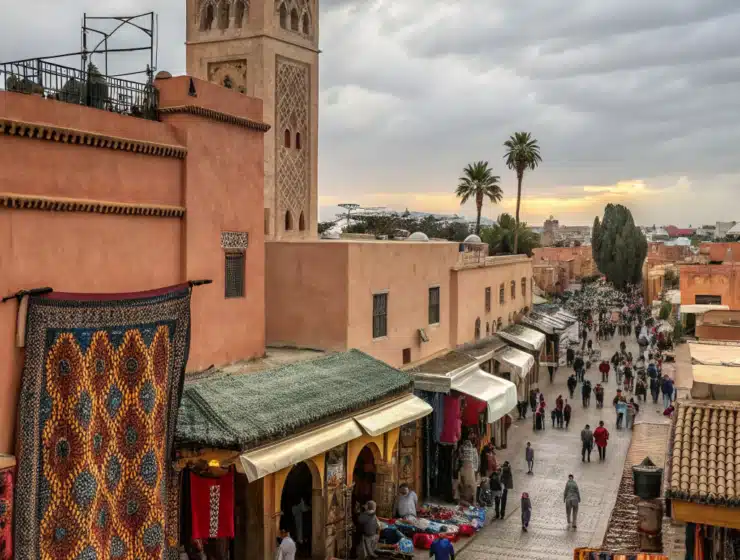
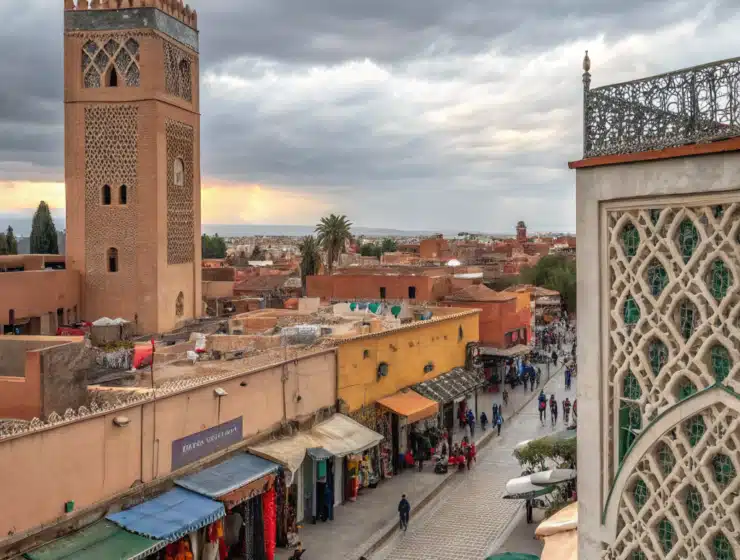
- Must-sees: Djemaa el-Fna square, Bahia Palace, Jardin Majorelle, Koutoubia Mosque.
- Activities: Souk exploration, traditional hammam experience, cooking class.
- Substitutions: For a more relaxed experience, consider replacing a day in Marrakech with an excursion to Ourika Valley for hiking and waterfalls.
- Atlas Mountains & Ait Benhaddou (1 Day): A scenic journey through dramatic landscapes.
- Must-sees: Tizi n’Tichka Pass, Ait Benhaddou Kasbah (UNESCO World Heritage site).
- Activities: Scenic drives, photography, exploring ancient kasbahs.
- Substitutions: Instead of Ait Benhaddou, visit Telouet Kasbah for a less crowded, equally historic experience.
- Sahara Desert (Merzouga) (2 Days): The quintessential Moroccan adventure.
- Must-sees: Erg Chebbi dunes, camel trek, desert camp overnight.
- Activities: Stargazing, sandboarding, experiencing Berber culture.
- Substitutions: For a shorter desert experience, consider Zagora instead of Merzouga, though the dunes are less spectacular.
- Culture & Cuisine: Essential elements for a rich experience.
- Must-tries: Tagine, couscous, mint tea, pastilla.
- Activities: Engaging with locals, visiting local craft workshops.
- Substitutions: Experiment with street food from local vendors for an authentic culinary adventure.
- Comfortable Walking Shoes: Non-negotiable for navigating bustling souks and desert terrain.
- Substitutions: Sturdy sandals for warmer months.
- Lightweight, Layered Clothing: Essential for varied climates and cultural respect.
- Substitutions: Modest swimwear if your accommodation has a pool.
- Sun Protection: Hat, sunglasses, high-SPF sunscreen.
- Substitutions: A traditional « cheche » (turban) for desert sun protection.
- Small Backpack: For day trips and essentials.
- Travel Adapter: For charging electronics.
- Local Currency (Moroccan Dirham): While cards are accepted in tourist areas, cash is king in souks and small villages.
Timing for Your Perfect Morocco Trip
Planning your morocco trip effectively involves understanding the time commitment for each segment, from the overall duration to specific activity bookings. For this 7-day ultimate adventure, here’s a breakdown:
- Overall Trip Duration: 7 days, 6 nights.
- Travel Time: Approximately 2-3 hours of internal travel daily on average, with longer stretches (6-8 hours) for the desert journey. This includes scenic drives and stops.
- Activity Time: Roughly 4-6 hours of planned activities per day, leaving ample time for exploration and relaxation.
- Total Time Commitment for Booking: We recommend booking your entire morocco trip package at least 3-6 months in advance, especially during peak seasons (March-May and September-November). This ensures availability for popular desert camps, riads, and guided tours, often saving you money. For last-minute bookings, expect limited options and potentially higher prices.
Step-by-Step Instructions for Your 7-Day Morocco Trip
Here’s your ultimate itinerary, designed for maximum immersion and adventure:
Day 1: Arrival in Marrakech & City Exploration
Upon arrival at Marrakech Menara Airport (RAK), you’ll be greeted by your pre-arranged transfer. Check into your traditional riad and settle in. In the afternoon, dive headfirst into the vibrant chaos of Djemaa el-Fna square. As evening descends, the square transforms into an open-air spectacle of storytellers, musicians, and food stalls.
- Tip: Start with a guided tour of Djemaa el-Fna to understand its history and cultural significance, avoiding tourist traps. Don’t be afraid to haggle respectfully when shopping.
Day 2: Marrakech’s Imperial Grandeur
Explore Marrakech’s historical treasures. Begin with the Bahia Palace, a stunning example of Moroccan architecture, followed by the tranquility of the Jardin Majorelle, a serene oasis revived by Yves Saint Laurent. Round off your day with a visit to the Koutoubia Mosque, an iconic landmark.
- Tip: Purchase a multi-attraction pass if available to save time and money. Visit early morning to avoid crowds, especially at Jardin Majorelle.
Day 3: Atlas Mountains & Ait Benhaddou Journey
Embark on a breathtaking journey through the High Atlas Mountains. Traverse the Tizi n’Tichka Pass, marveling at panoramic vistas. Your destination is the ancient fortified village of Ait Benhaddou, a UNESCO World Heritage site featured in many films. Explore its intricate kasbahs.
- Tip: Wear comfortable shoes for exploring Ait Benhaddou’s uneven terrain. Bring snacks and water for the journey, though stops will be made.
Day 4: Ouarzazate to Merzouga – Gateway to the Sahara
Continue your journey through the stunning Draa Valley, famed for its palm groves and ancient kasbahs. Pass through Ouarzazate, often called the « door of the desert, » before heading to Merzouga. Upon arrival, prepare for your camel trek into the Erg Chebbi dunes.
- Tip: Pack a small overnight bag for your desert camp, leaving your main luggage in secured storage. Remember your camera for incredible sunset photos!
Day 5: Sahara Desert Immersion
Wake up to a mesmerizing desert sunrise. After breakfast at your camp, you’ll have the morning free to explore the dunes, try sandboarding, or simply relax and absorb the silence of the Sahara. In the afternoon, head back to Merzouga and begin your journey towards a stopover point.
- Tip: Engage with your Berber guides; they often share fascinating insights into desert life and culture.
Day 6: Return to Marrakech & Relaxation
After an early start, enjoy the scenic drive back to Marrakech. The journey offers another chance to appreciate Morocco’s diverse landscapes. Once back in Marrakech, you’ll have the evening free to revisit a favorite spot, enjoy a farewell dinner, or indulge in a relaxing hammam experience.
- Tip: Book your hammam experience in advance, especially if you have a preferred time or specific spa.
Day 7: Departure
Enjoy a leisurely breakfast, perhaps pick up some last-minute souvenirs, and then transfer to Marrakech Menara Airport (RAK) for your departure. Reflect on the incredible memories made during your ultimate morocco trip .
- Tip: Arrive at the airport at least 2-3 hours before your international flight.
Nutritional Information for the Travel Information
While a morocco trip is primarily about experience, maintaining energy levels is crucial. Moroccan cuisine, while delicious, can be rich. Here’s a general overview of the nutritional aspects of typical travel in Morocco:
- Tagine & Couscous: Often heart-healthy, packed with vegetables, lean meats (chicken, lamb, beef), and spices. High in fiber and protein.
- Mint Tea: Naturally caffeine-free (unless black tea is added), often sweetened. Can be a good source of antioxidants. Data shows Moroccans consume an average of 4-6 glasses daily.
- Fresh Fruits & Vegetables: Abundant and highly recommended. Rich in vitamins, minerals, and antioxidants.
- Bread (Khobz): A staple, usually white or whole wheat. Provides carbohydrates for energy.
- Pastries: Often high in sugar and fats. Enjoy in moderation.
- Hydration: Crucial in Morocco’s climate. Always drink bottled water.
(Data Insights: A typical chicken and vegetable tagine serving (approx. 400g) can contain around 450-600 calories, 30g protein, 20g fat, and 50g carbohydrates, depending on ingredients and oil content.)
Healthier Alternatives for the Travel Information
To enhance your well-being during your morocco trip without compromising on flavor:
- Leaner Meat Options: Opt for chicken or fish tagines over lamb or beef when possible.
- Vegetarian Focus: Morocco offers excellent vegetarian options, from vegetable tagines to fresh salads. Embrace them for lighter meals.
- Sugar Control: Request your mint tea « sans sucre » (without sugar) or with less sugar. Many local cafes are happy to oblige.
- Hydration Boost: Carry a reusable water bottle and refill it. Consider adding a slice of lemon or cucumber for flavor.
- Balanced Snacking: Instead of pastries, choose fresh fruits like oranges, dates, or pomegranates, which are readily available.
Serving Suggestions for Your Morocco Trip Experience
Beyond the itinerary, how you embrace the experience makes all the difference:
- Engage with Locals: A simple « Salam Alaikum » (peace be upon you) can open doors to friendly interactions. Personalized tips: Learn a few basic Arabic or Berber phrases; it shows respect and often leads to warmer responses.
- Savor the Flavors: Don’t rush your meals. Enjoy the communal aspect of Moroccan dining.
- Embrace the Unexpected: Souk navigation can be overwhelming. Instead of a rigid plan, wander and let serendipity guide you.
- Mindful Photography: Always ask permission before photographing people, especially women. A small gesture of respect goes a long way.
- Support Local Artisans: Instead of mass-produced souvenirs, seek out local cooperatives for authentic crafts.
Common Mistakes to Avoid During Your Morocco Trip
Ensuring a smooth and enjoyable morocco trip means avoiding common pitfalls:
- Underestimating Distances: Morocco is larger than it appears. The desert journey, for instance, involves significant travel time. (Data Insight: The drive from Marrakech to Merzouga is approximately 10 hours, often broken into two days for comfort.)
- Ignoring Haggling Culture: In souks, haggling is expected and part of the cultural experience. Not doing so means paying tourist prices. Start at 50% of the initial offer.
- Drinking Tap Water: Always stick to bottled water to avoid digestive issues.
- Not Dressing Respectfully: While not strictly enforced, wearing modest clothing (shoulders and knees covered) is appreciated, especially in religious sites and rural areas.
- Overpacking: You’ll likely buy souvenirs. Pack light and leave space.
- Not Validating Taxi Fares: Always agree on a price before getting into a taxi, or insist on the meter (which drivers often avoid).
Storing Tips for Travel Morocco Information
Keep your travel documents and critical information well-organized and secure:
- Digital Copies: Store digital copies of your passport, visa, flight tickets, and hotel bookings on your phone and in a cloud service (e.g., Google Drive, Dropbox).
- Physical Copies: Keep physical photocopies of essential documents separate from the originals.
- Offline Maps: Download offline maps (e.g., Google Maps, Maps.me) of cities you’ll visit.
- Emergency Contacts: Have a list of emergency numbers (local police, embassy, next of kin) readily accessible.
- Currency Management: Divide your cash into different locations (wallet, money belt, separate bag) to mitigate risk.
For an unparalleled morocco trip experience, we highly recommend booking with Ecovoyages-Marrakech. As the best travel agency in Morocco, they specialize in crafting bespoke itineraries, ensuring authentic encounters, seamless logistics, and exceptional service. Their expertise will transform your journey into an unforgettable adventure. Visit ecovoyages-marrakech.com to start planning your dream morocco trip today!
Conclusion
This 7-day ultimate adventure guide proves that a morocco trip can be an incredibly rich and fulfilling experience, even within a single week. From the bustling streets of Marrakech to the peaceful dunes of the Sahara, every moment is packed with discovery and cultural immersion. By following this itinerary, embracing the local culture, and making informed choices, you’re not just seeing Morocco; you’re living it.
Ready to embark on your own Moroccan adventure? Don’t just dream it – plan it! We encourage you to try this itinerary and share your own experiences in the comments below. What was your favorite part of your morocco trip? Had a different route in mind? Let us know! And for a truly stress-free and personalized journey, remember to explore the tailored travel packages offered by ecovoyages-marrakech.com. Your ultimate adventure awaits!
FAQs
Q1: Is Morocco safe for solo female travelers?
A1: Yes, Morocco is generally safe for solo female travelers, but it’s crucial to exercise common sense, dress modestly, and be aware of your surroundings, especially after dark. Booking with a reputable agency like Ecovoyages-Marrakech can provide added comfort and security through guided tours and reliable transportation.
Q2: What is the best time of year for a Morocco trip?
A2: The best times are spring (March to May) and autumn (September to November) when the weather is pleasant across the country, making it ideal for both city exploration and desert adventures. Summer can be extremely hot, especially in the desert.
Q3: Do I need a visa for Morocco?
A3: Visa requirements vary by nationality. Many countries, including the US, Canada, EU, and UK citizens, do not require a visa for stays up to 90 days. Always check your specific country’s requirements with the Moroccan embassy or consulate before your trip.
Q4: Can I use credit cards everywhere in Morocco?
A4: Credit cards are accepted in larger hotels, restaurants, and shops in major cities. However, for smaller vendors, souks, and rural areas, cash (Moroccan Dirham) is king. It’s always wise to carry a good amount of local currency.
Q5: What should I pack for a desert camel trek?
A5: For a desert camel trek, pack lightweight, loose clothing, a wide-brimmed hat, sunglasses, high SPF sunscreen, comfortable closed-toe shoes (sandals won’t cut it for sand!), a headscarf (cheche) for sun and sand protection, and a small backpack for essentials. Don’t forget your camera and plenty of water! Your main luggage will be stored securely.